
Playing by the rules: safeguarding in sport across the UK
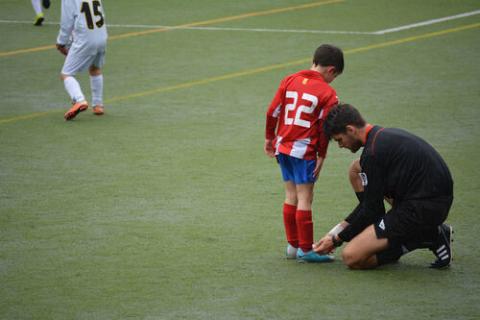
Safeguarding in sport is a core public policy concern, intended to protect children, young people and vulnerable adults from harm while promoting safe participation. Although safeguarding principles are broadly consistent across the United Kingdom, responsibility for sport and child protection is devolved. Consequently, safeguarding policy in sport across England, Scotland, Wales and Northern Ireland reflects distinct legislative frameworks, governance arrangements and policy priorities. While this allows for contextual responsiveness, it also introduces challenges for consistency, implementation and accountability.
Sports organisations are expected to implement comprehensive safeguarding policies covering safer recruitment, training, codes of conduct and reporting mechanisms. However, a recurring policy challenge lies in the gap between formal compliance and meaningful practice. In many sports, safeguarding requirements risk becoming a “tick-box” exercise, particularly where organisations face limited capacity or rely heavily on volunteers.
In England, safeguarding policy is shaped by Sport England’s governance code and funding conditions, with the NSPCC’s Child Protection in Sport Unit (CPSU) providing national standards and guidance. The Football Association (FA) exemplifies a structured approach, mandating welfare officers, training and DBS checks. Despite this, concerns remain about uneven implementation at grassroots level, where volunteer welfare officers may lack time, confidence or independence to challenge poor practice.
Scotland’s rights-based safeguarding framework aligns with the Getting It Right for Every Child (GIRFEC) approach, emphasising wellbeing and participation. Sportscotland and Children 1st support this through the Safeguarding in Sport service. While this model promotes prevention and child-centred practice, it can create ambiguity for sports organisations seeking clarity on roles and thresholds for intervention. Translating rights-based principles into consistent operational practice remains a policy and training challenge, particularly for smaller clubs.
In Wales, safeguarding policy in sport is closely linked to the Well-being of Future Generations (Wales) Act 2015, encouraging long-term, preventative approaches. Sport Wales and the CPSU support national governing bodies such as Welsh Gymnastics in strengthening safeguarding systems. However, the focus on cultural change and wellbeing can be difficult to evidence and measure, complicating accountability and performance monitoring. Resource constraints also limit the capacity of some organisations to move beyond minimum compliance.
In Northern Ireland, safeguarding policy operates within a distinctive legislative and community context. Sport NI supports safeguarding through governance standards and partnership working, with sports such as Ulster GAA embedding safeguarding at community level. Nonetheless, smaller organisational structures and close-knit communities may present barriers to reporting concerns, particularly where fear of reputational damage or personal relationships inhibit challenge.
Devolution allows safeguarding policy in sport to align with national child protection and wellbeing frameworks, supporting contextual relevance and innovation. However, it also creates fragmentation in standards, terminology and enforcement. Addressing persistent barriers - including inconsistent implementation, volunteer capacity, cultural resistance and resource limitations - remains critical. Strengthening oversight, professional support and cross-nation learning will be essential to ensuring safeguarding policy translates into effective and trusted practice across the UK.
by Molly Butterworth - Communications Support Assistant, PolicyWISE