
PolicyWISE briefing calls for stronger recognition of unpaid carers across the UK and Ireland
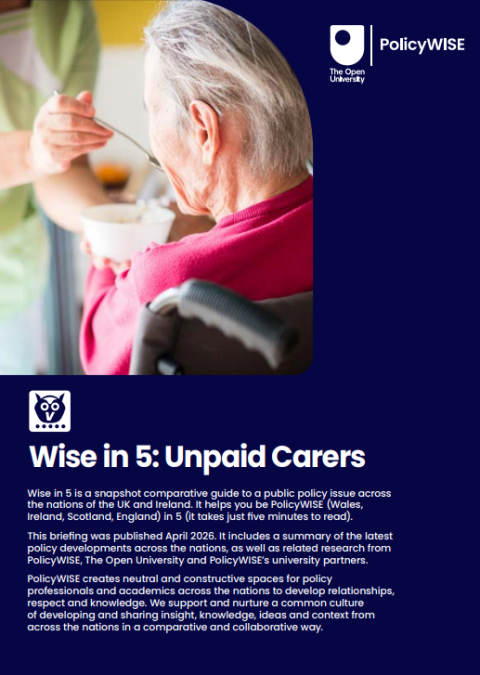
A new PolicyWISE briefing highlights how unpaid carers, those who provide support to relatives or friends without pay due to illness, disability, age or addiction, remain under-recognised despite their essential role.
Across the UK and Ireland, the number of unpaid carers is significant, though official figures likely underestimate their true scale. Census data captures only part of the picture, particularly as caring is frequently under-disclosed and varies depending on when and how data is collected.
Reliance on unpaid care is universal, yet support is inconsistent with the governments across the UK and Ireland all taking different policy approaches.
At the same time, demographic trends such as longer life expectancy and smaller family networks mean that more people will take on caring roles in the future. Unpaid care is not a marginal issue; it is something that will affect most people at some point in their lives. Many carers experience physical and emotional strain, while access to financial assistance, respite, and recognition varies widely depending on where they live.
What needs to change
The briefing identifies five key priorities for policymakers across the UK and Ireland:
- Establish fair and consistent minimum standards of support across all nations
- Introduce a minimum income floor to reduce financial insecurity
- Make respite care and preventative support a statutory right
- Develop a carer capability standard grounded in dignity and social justice
- Use current reforms to create a coordinated, enforceable carers strategy
The report concludes that unpaid carers do not seek pity, but instead recognition and empowerment. As reliance on unpaid care grows, policymakers face a clear challenge: to ensure carers are supported not only to continue in their role, but also to step back when needed, knowing those they care for will be protected.